









Server-metrics dashboard research
Behaviour-data research into which server metrics cloud users actually need — the evidence behind the platform's dashboard redesign.
Work / Selected projects / Archive
Projects from ten years and nine roles, with different levels of ownership — some I led end to end, some I designed inside a larger team. Case studies are added as they are written.
30 projects9 companies
30 of 30 projects
A connection-first networking app for Dubai's professional community — a product brief, a 57-problem inventory with its own KPI dictionary, a brand architecture and a B2B venue-revenue layer, audited against the promises the product makes to its own users.
Product design and strategy for a mobile play-to-earn arena that gathers HTML5 games under one competitive and economic layer — competitive-platform research, MVP scoping and a full wireframe spec across 16 sections.
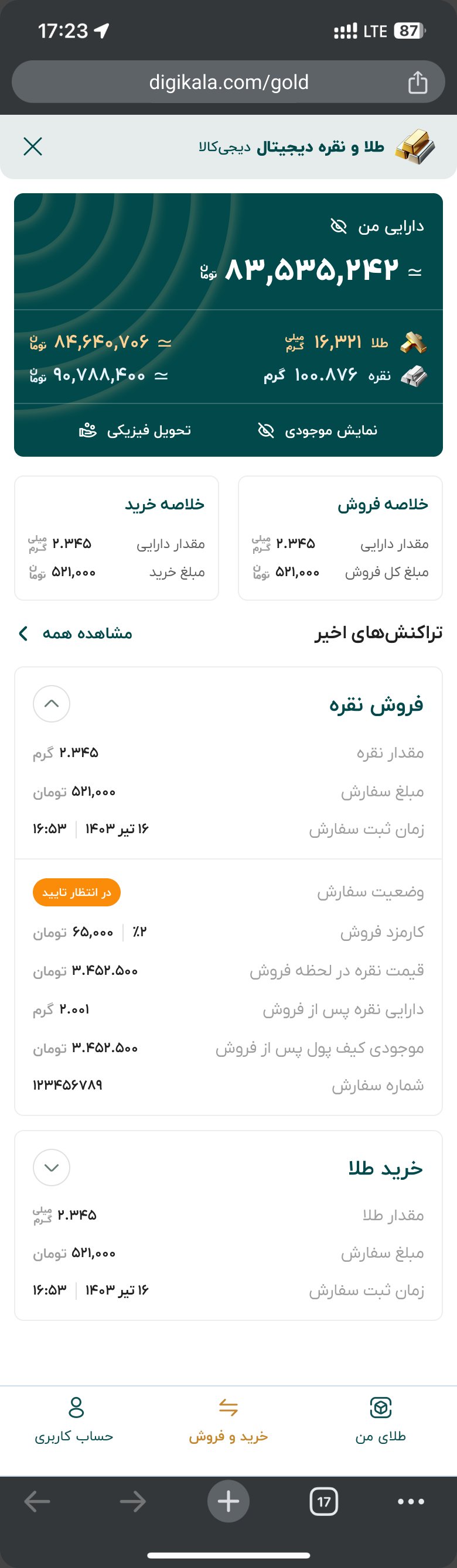
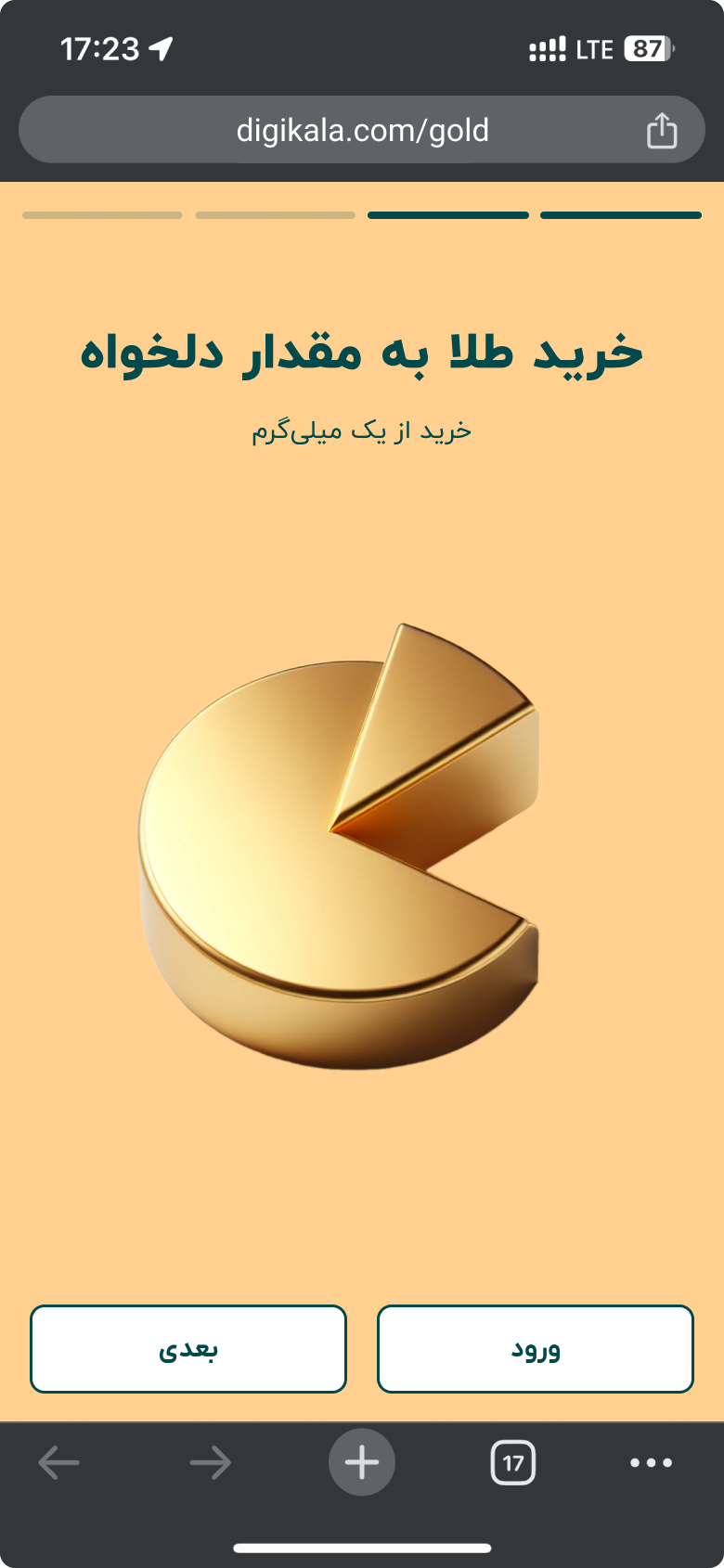
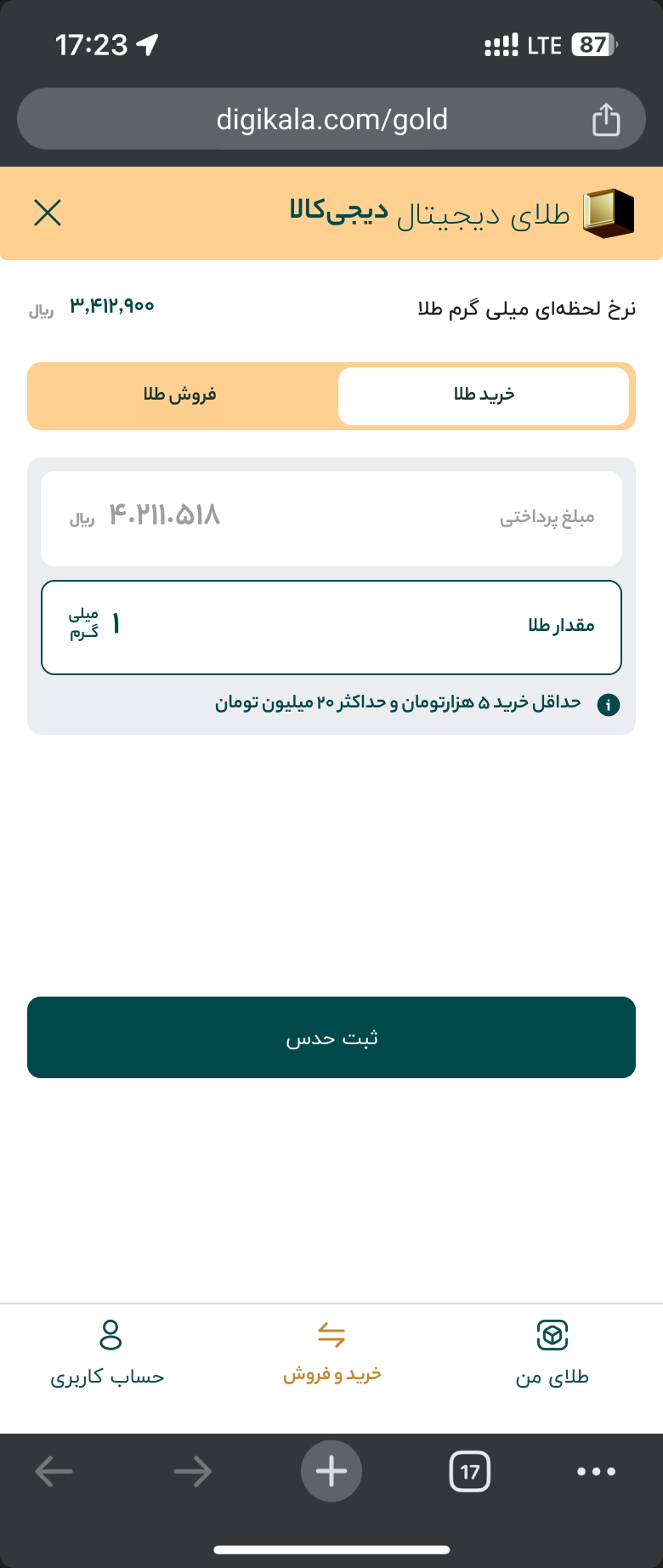
Defined the product vision, features and growth strategy for Digikala's gold-trading product — from campaigns and segmentation to the weekly review slides that reported on them.
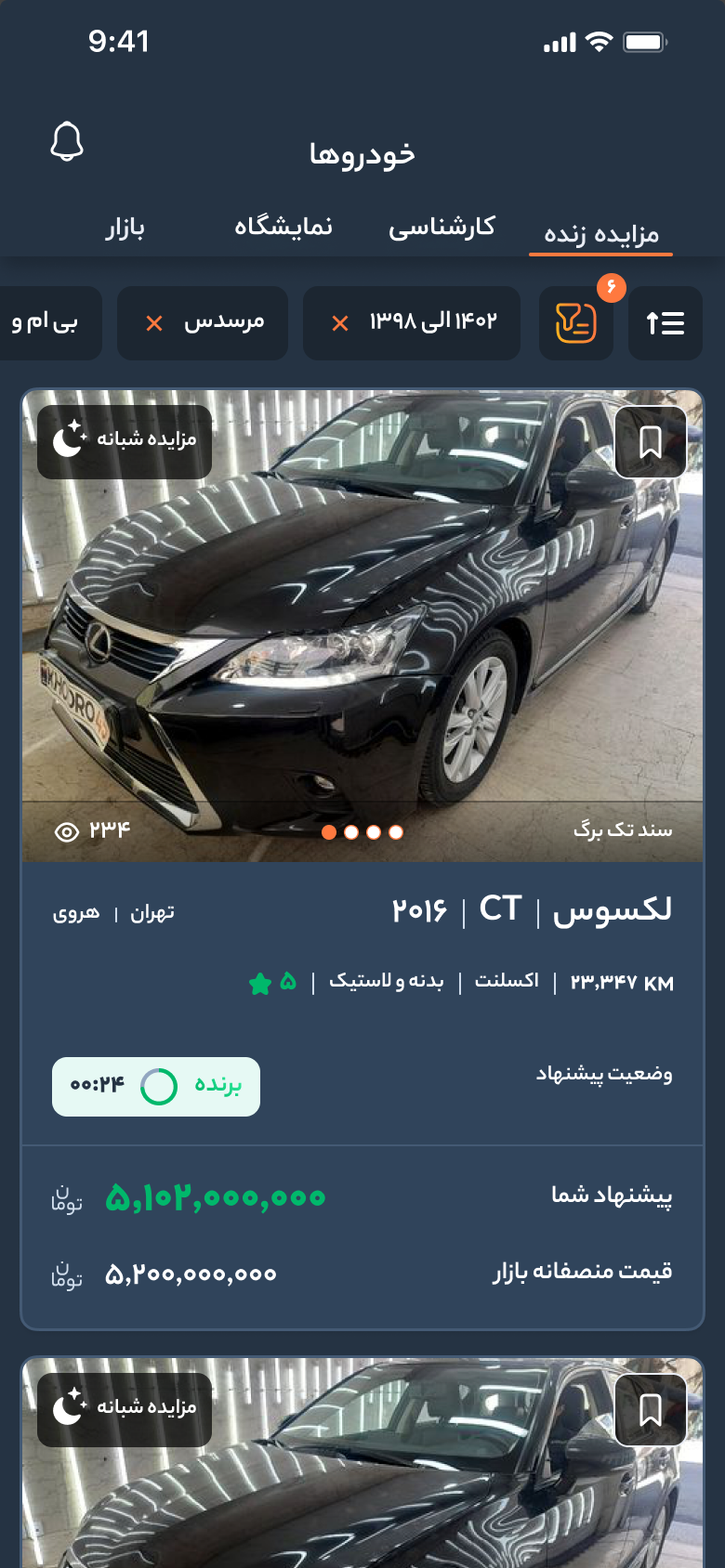
The B2B side of Iran’s Khodro45 marketplace: 241 screens across three parallel market modes, a fair-price-guided bidding system, a six-step escrowed settlement pipeline, two generations of dealer monetisation, and a 28-frame prototype built to test the transaction state machine.
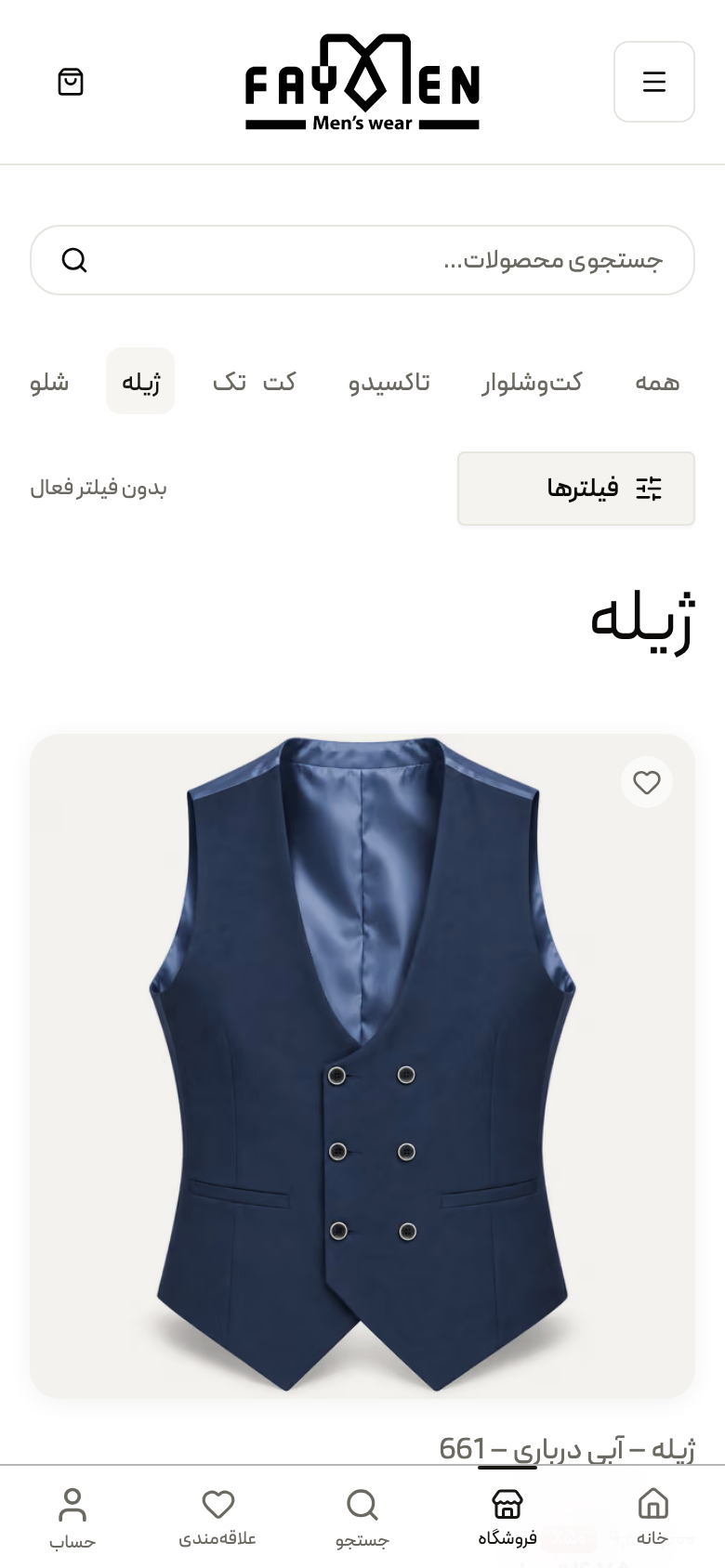
A live Persian menswear store, designed and built end to end: shop, product pages, checkout with Iranian payments, the customer account and the admin, on an in-country stack.
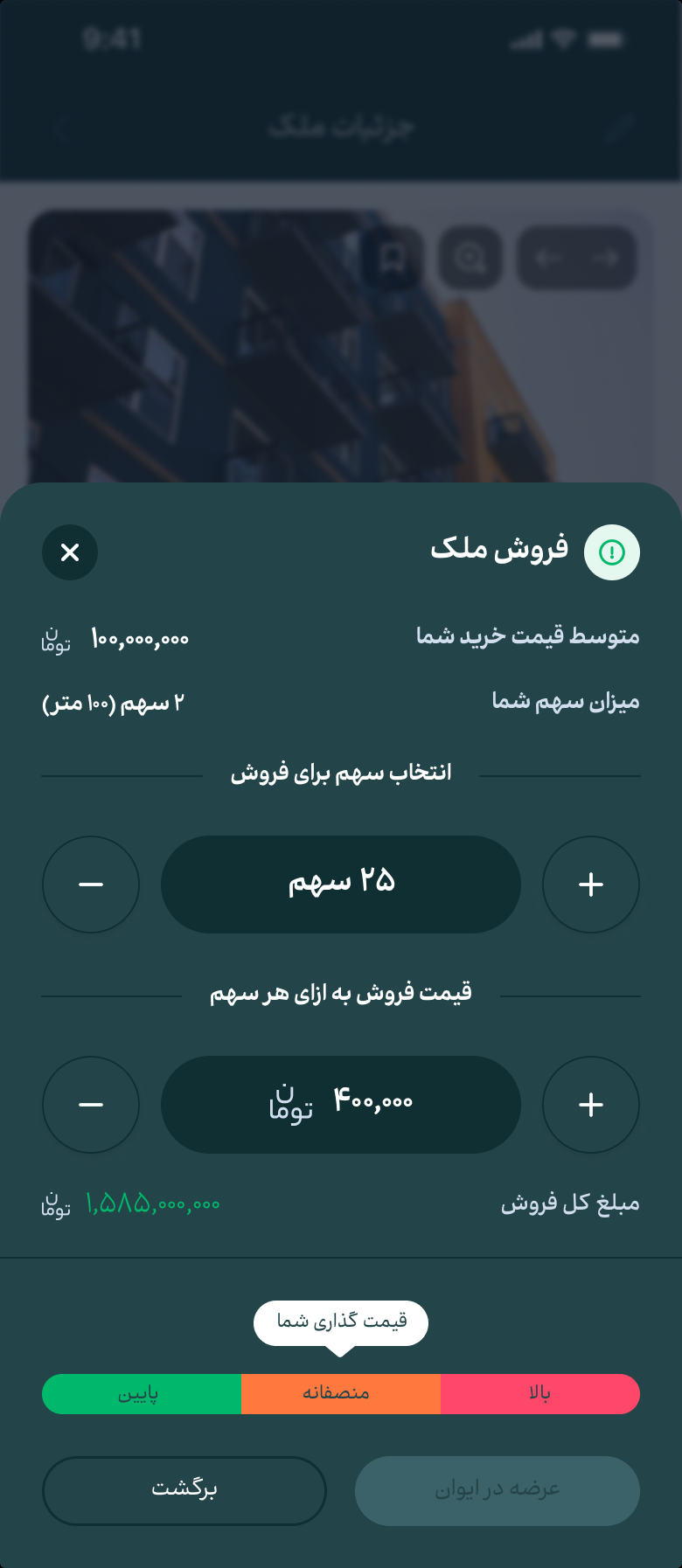
An Iranian platform that sells Tehran property by the square metre and then lets owners resell it: 191 screens and a 430-component design system, whose sharpest idea is a low/fair/high gauge that grades both sides of a peer resale.
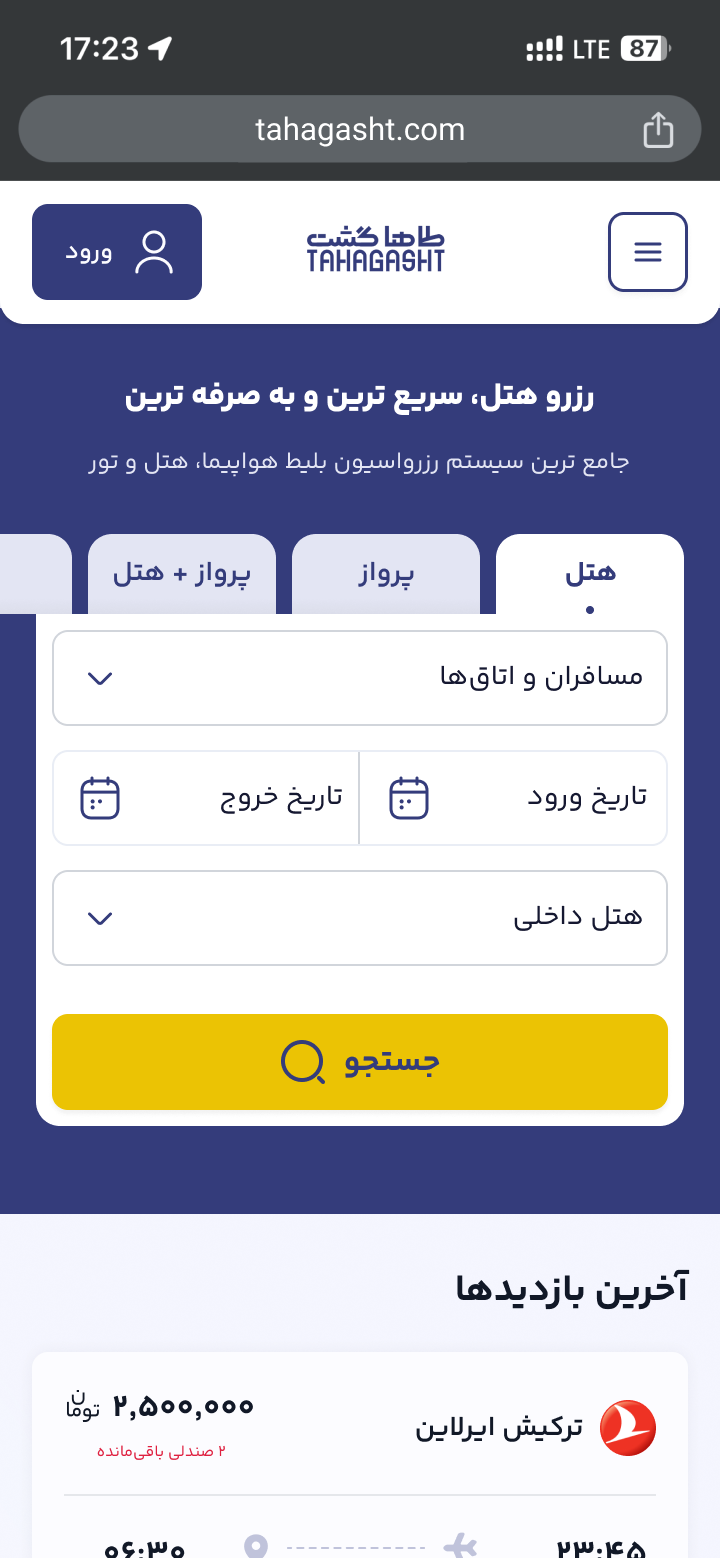
The booking site of a thirty-year-old travel agency, redesigned for flights, hotels and tours: from a twelve-site benchmark and information architecture to live pages, plus a travel-planner and social concept.
Designed a free game for Digital Gold: guess the gold price, win real gold. A full campaign brief with mock-ups that never launched.
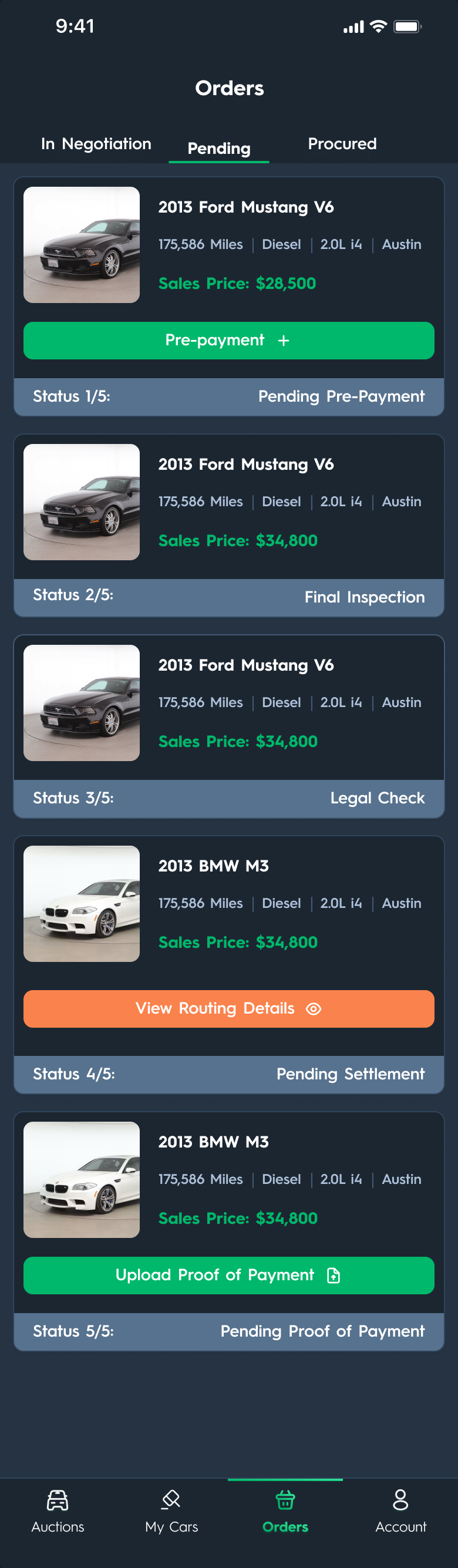
The buy side of a UAE car marketplace, designed as an app and a desktop site: timed auctions with Fair Market Value under every bid, then a five-stage order path through negotiation, payment, delivery and title transfer.
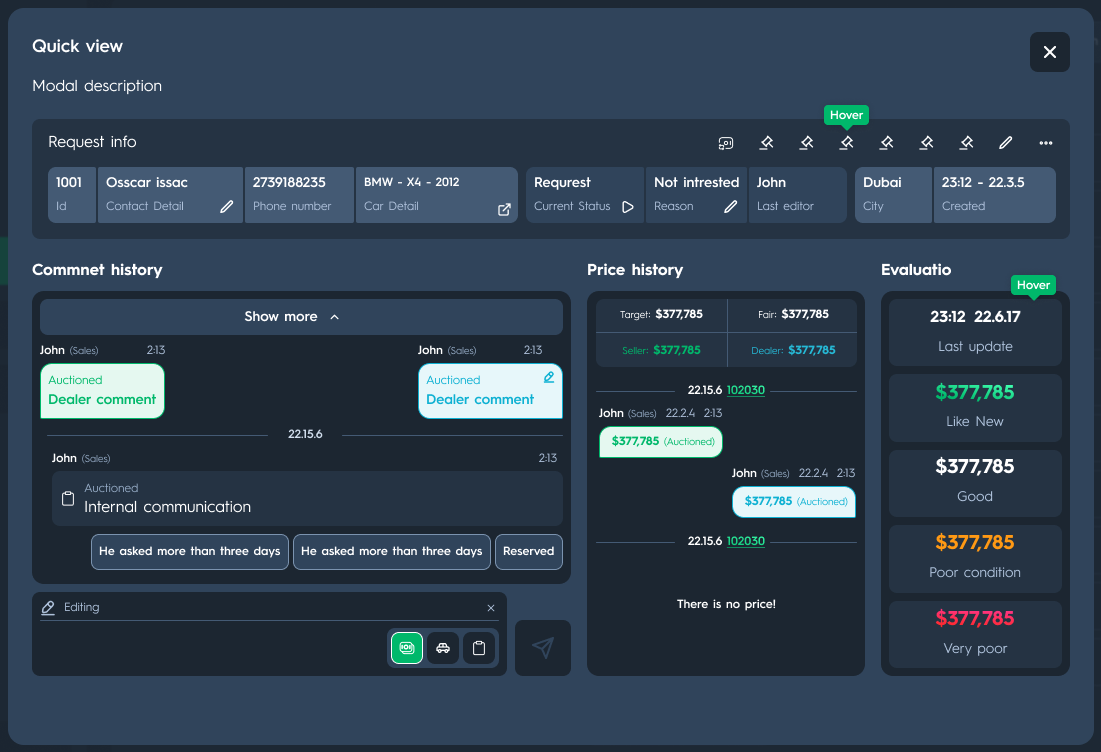
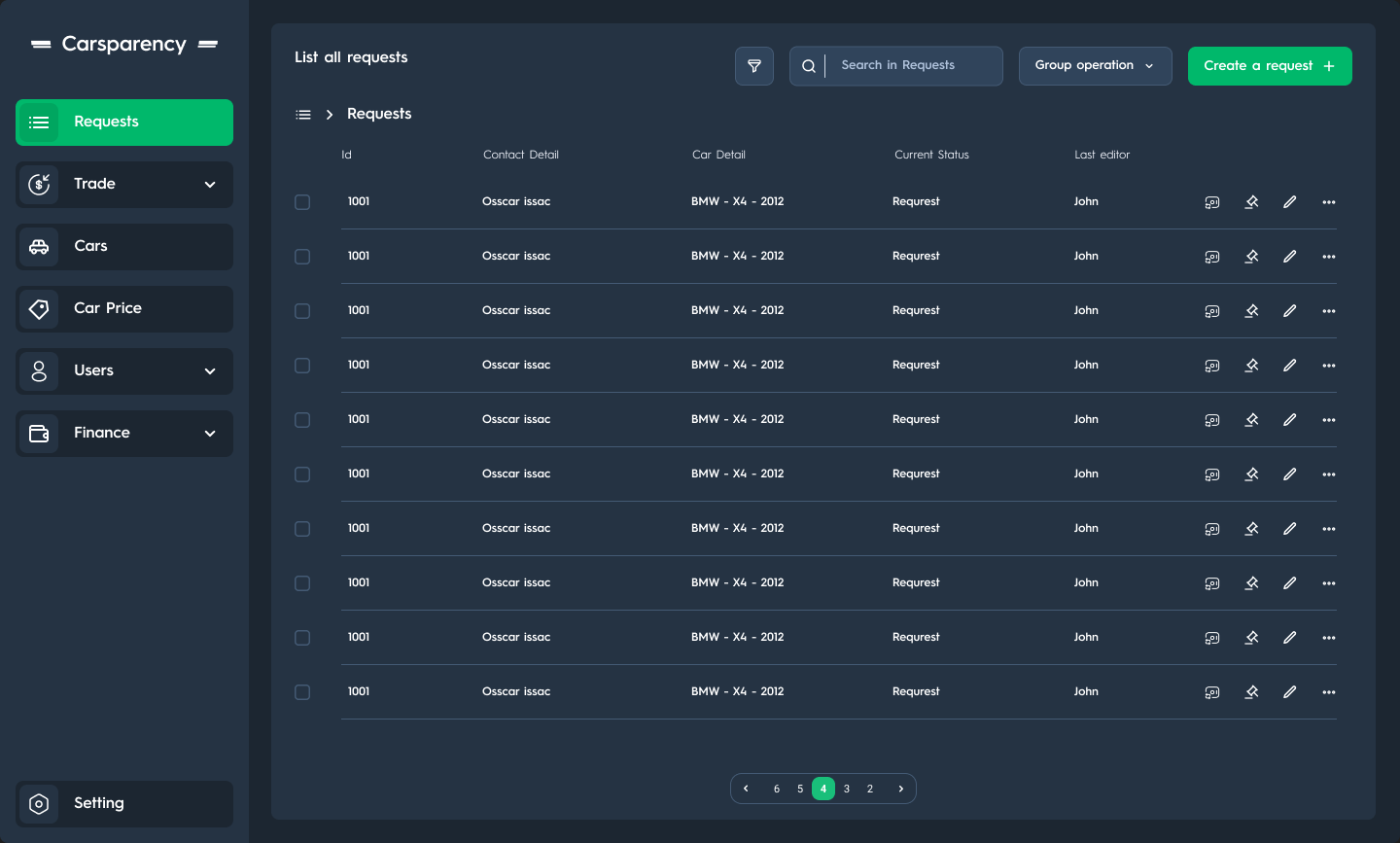
The staff console behind the marketplace: 68 desktop screens across a seven-section sidebar, a request quick view with comment and price history, four prices side by side (target, seller, fair and dealer) and the printable inspection report.
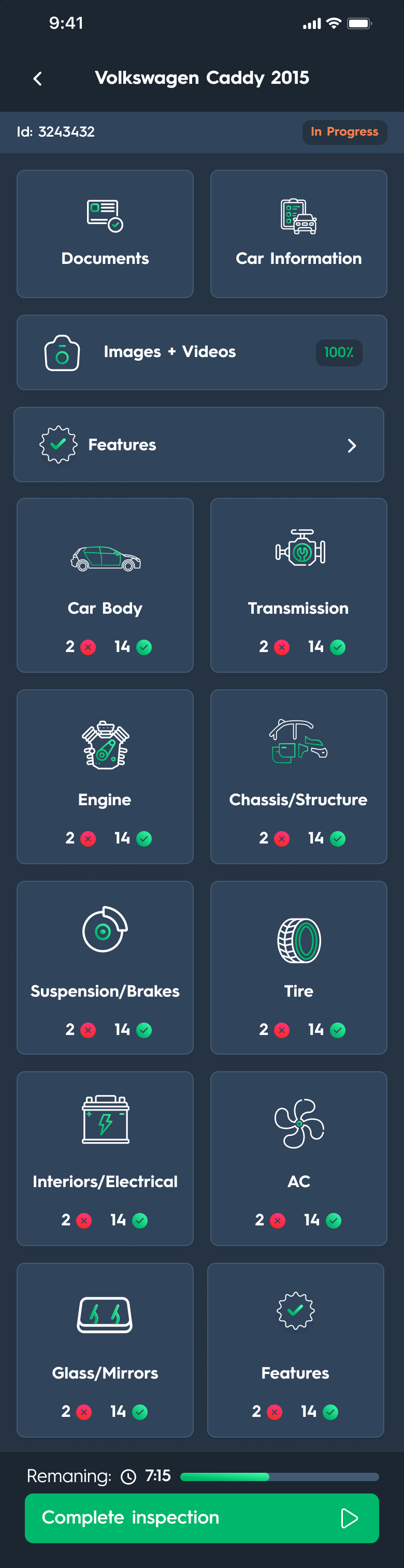
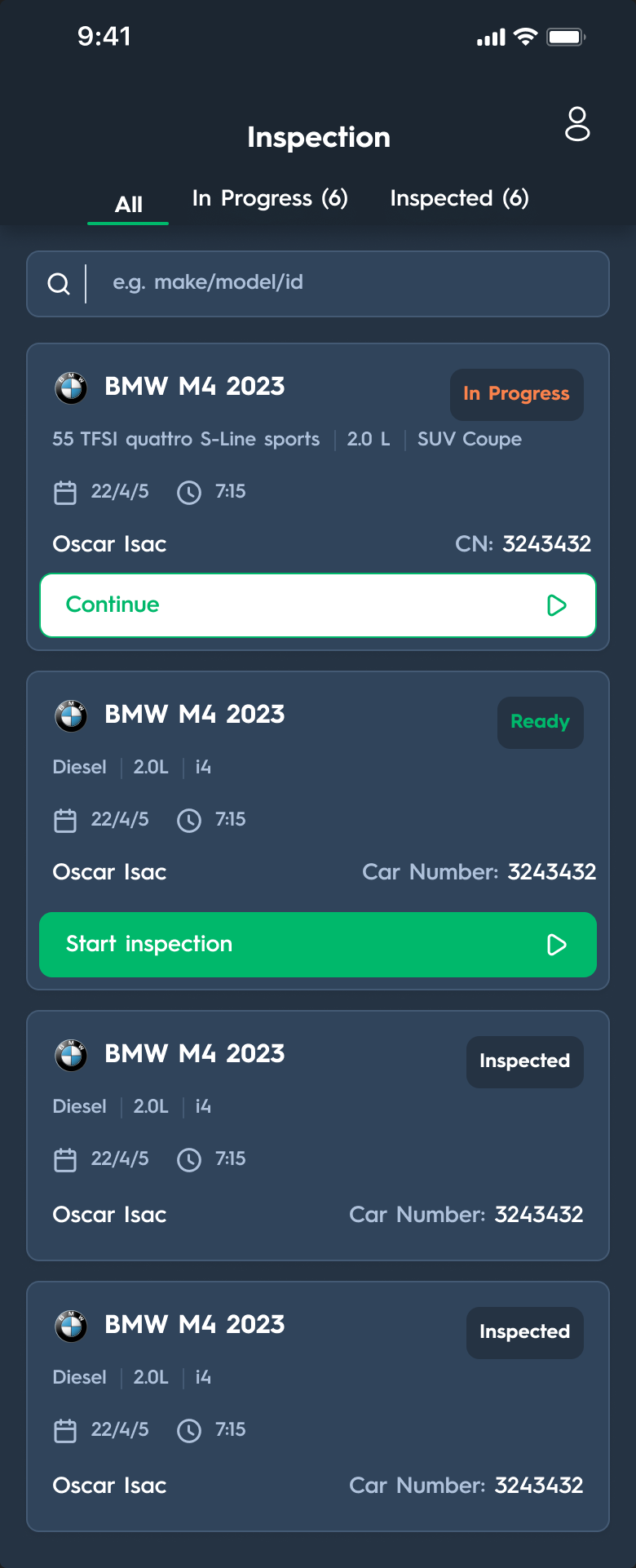
The field tool that produces the evidence the marketplace trades on: a queue of cars, a car-details wizard, ten survey areas with pass or fail for each part, and defects recorded with their own photos — the source of the condition data dealers read.
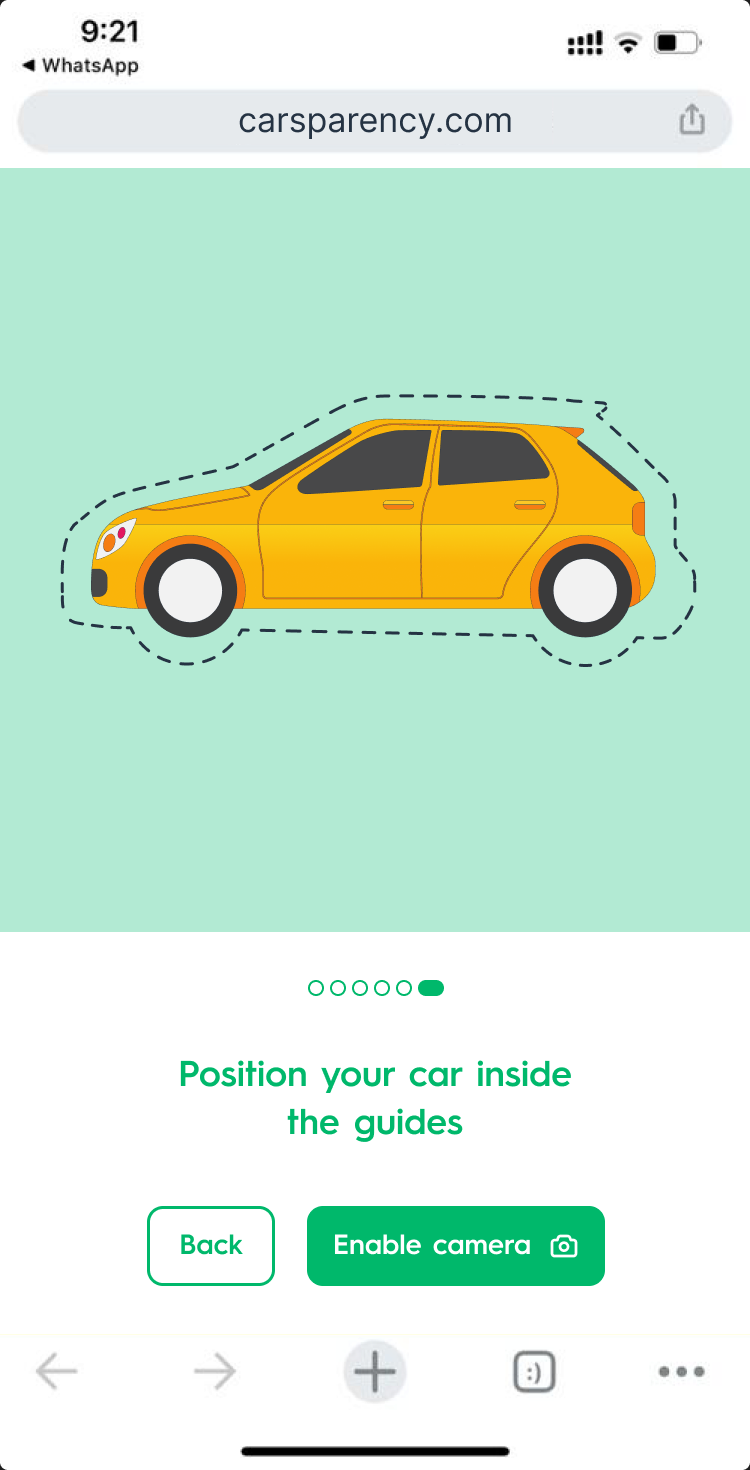
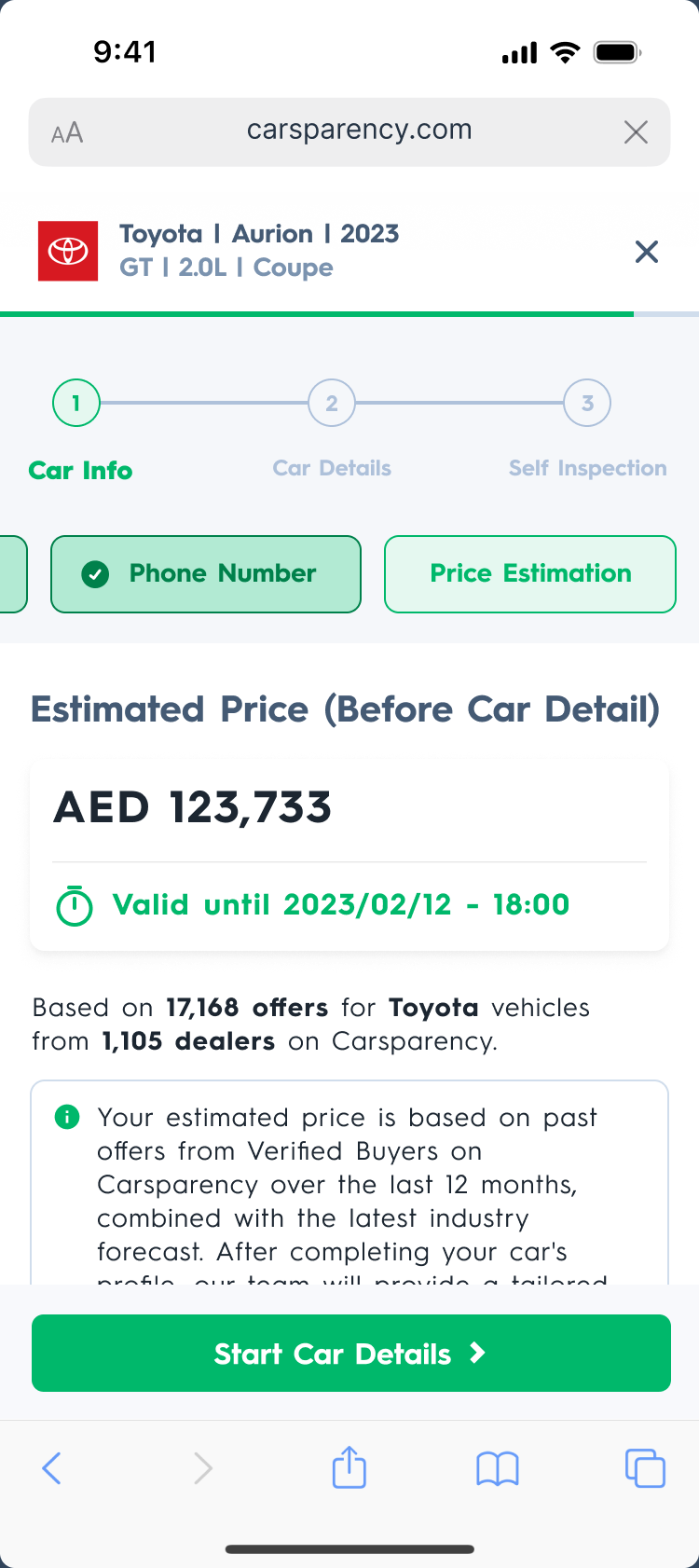
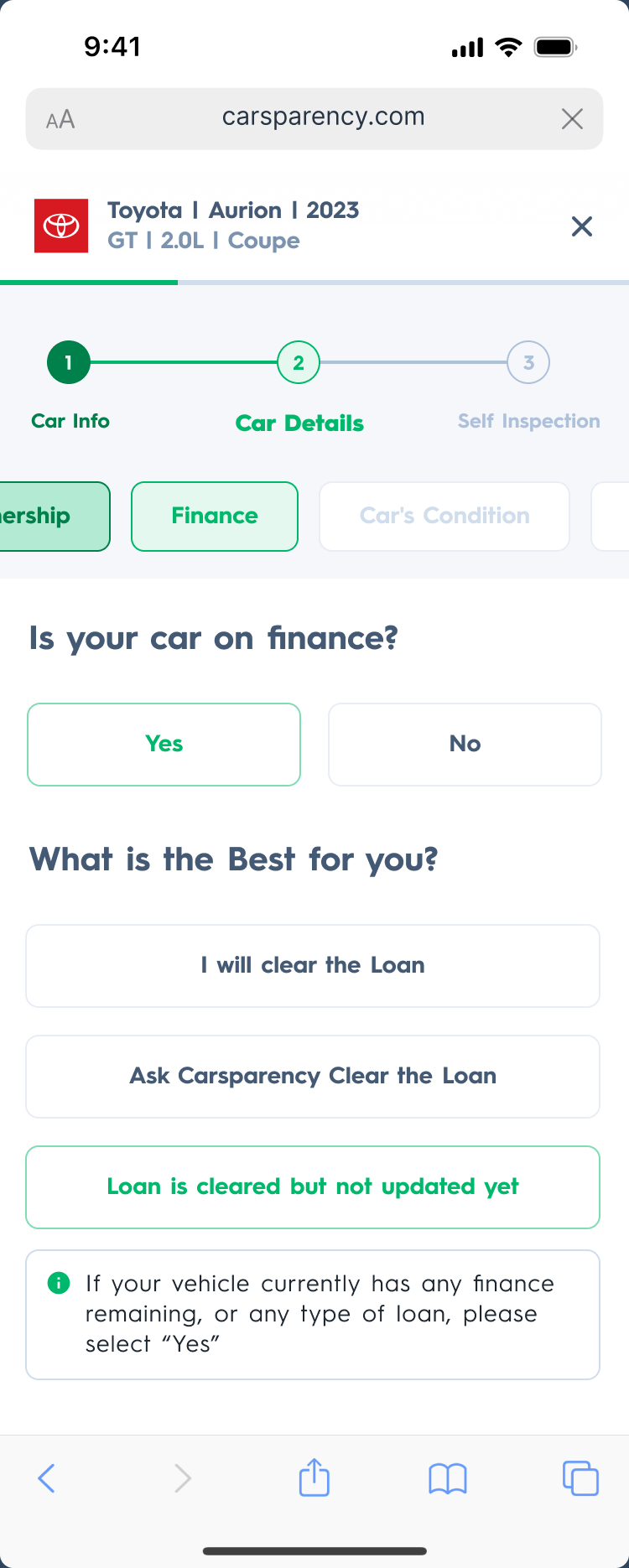
The private seller’s side, on mobile and desktop: a three-step wizard that shows an estimated price before the detailed questions, turns blockers such as an outstanding loan into choices, and guides a self-inspection in sixteen photos.
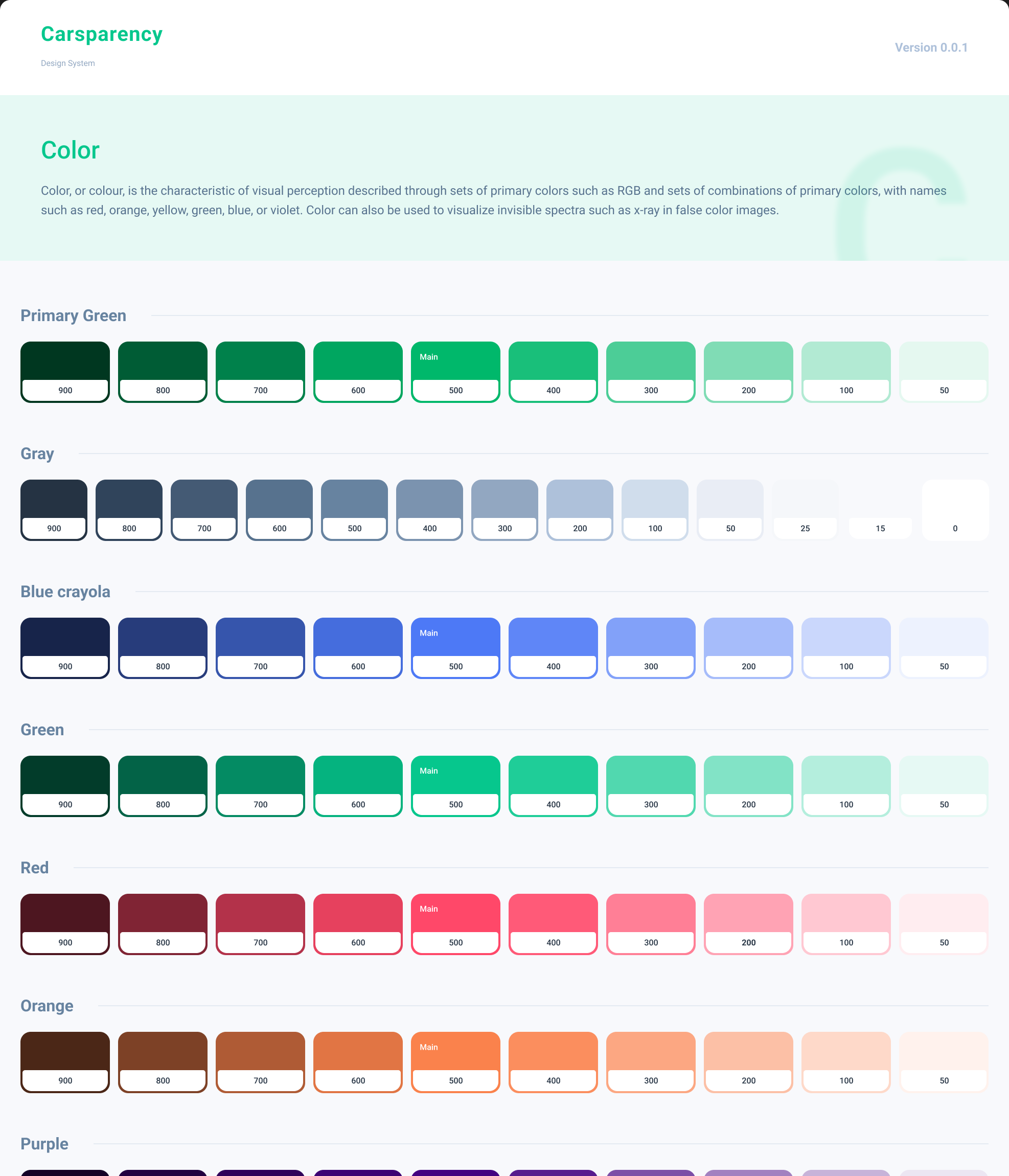
The shared library under Pro, Back Office, Inspection and Web: twelve colour ramps, a five-weight type board and 15 component sets holding 265 variants, consumed by all four product files in a light and a dark theme.
Proposed and designed a concept for a mall-management app to improve engagement between tenants and customers.
A four-week strategy process: twenty questions for each of eight departments, deep interviews with teachers, nine personas, and the brand position and three-horizon roadmap that came out of them.
The OTeacher website with its three-step teacher finder, booking, and the user, teacher and admin panels, drawn on one design system: 220 screens, from the concept boards to the second pass.
Measured where people buying a cloud server gave up in Arvan’s create-server wizard, designed and A/B-tested two ways to choose a server’s size, and redesigned console pages such as the server page and the file manager.
Behaviour-data research into which server metrics cloud users actually need — the evidence behind the platform's dashboard redesign.
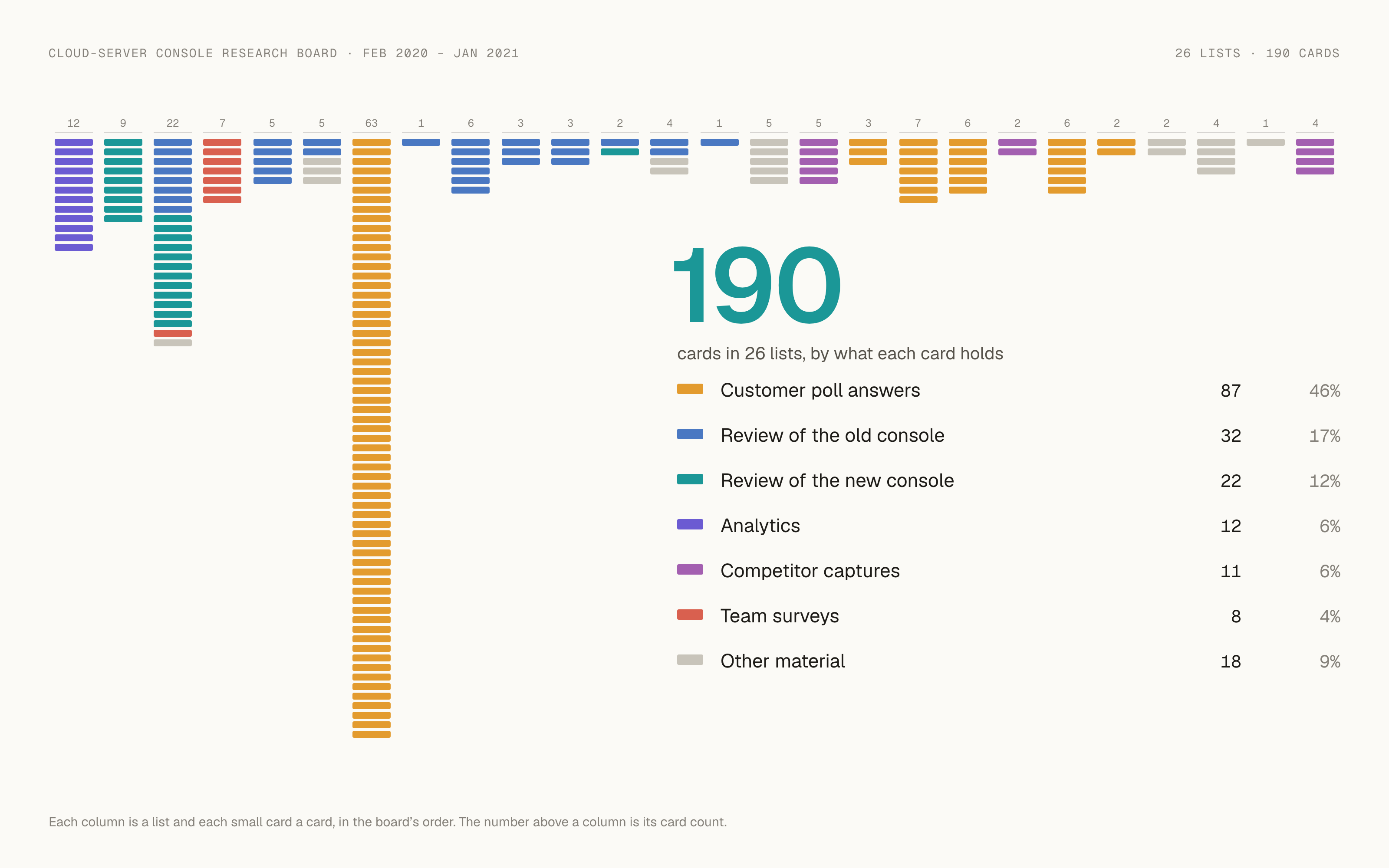
A year of research on Arvan Cloud’s server list and create page in 2020: recordings of customers, analytics and click tracking, a customer poll, team surveys, four competitors and two reviews of the console.
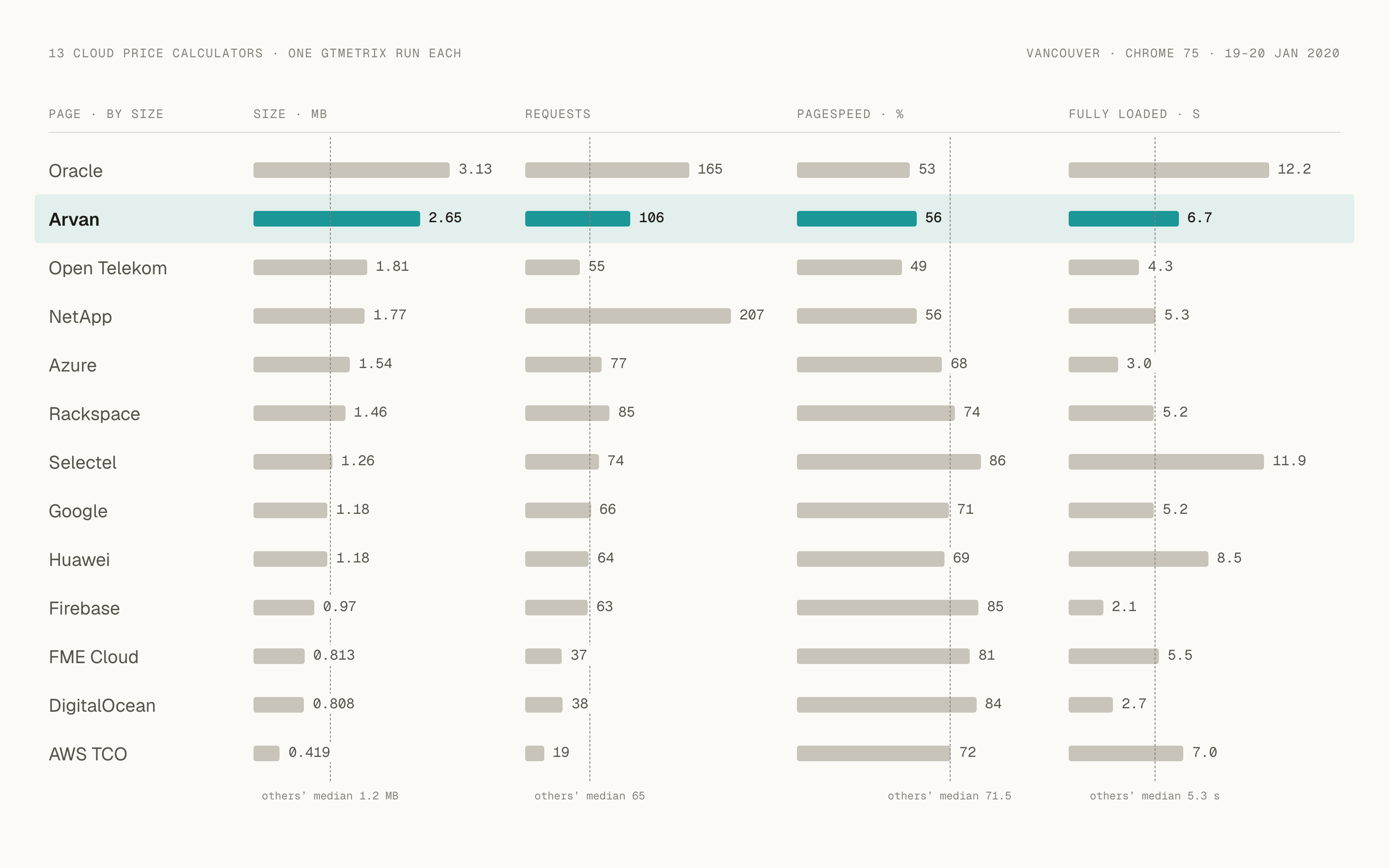
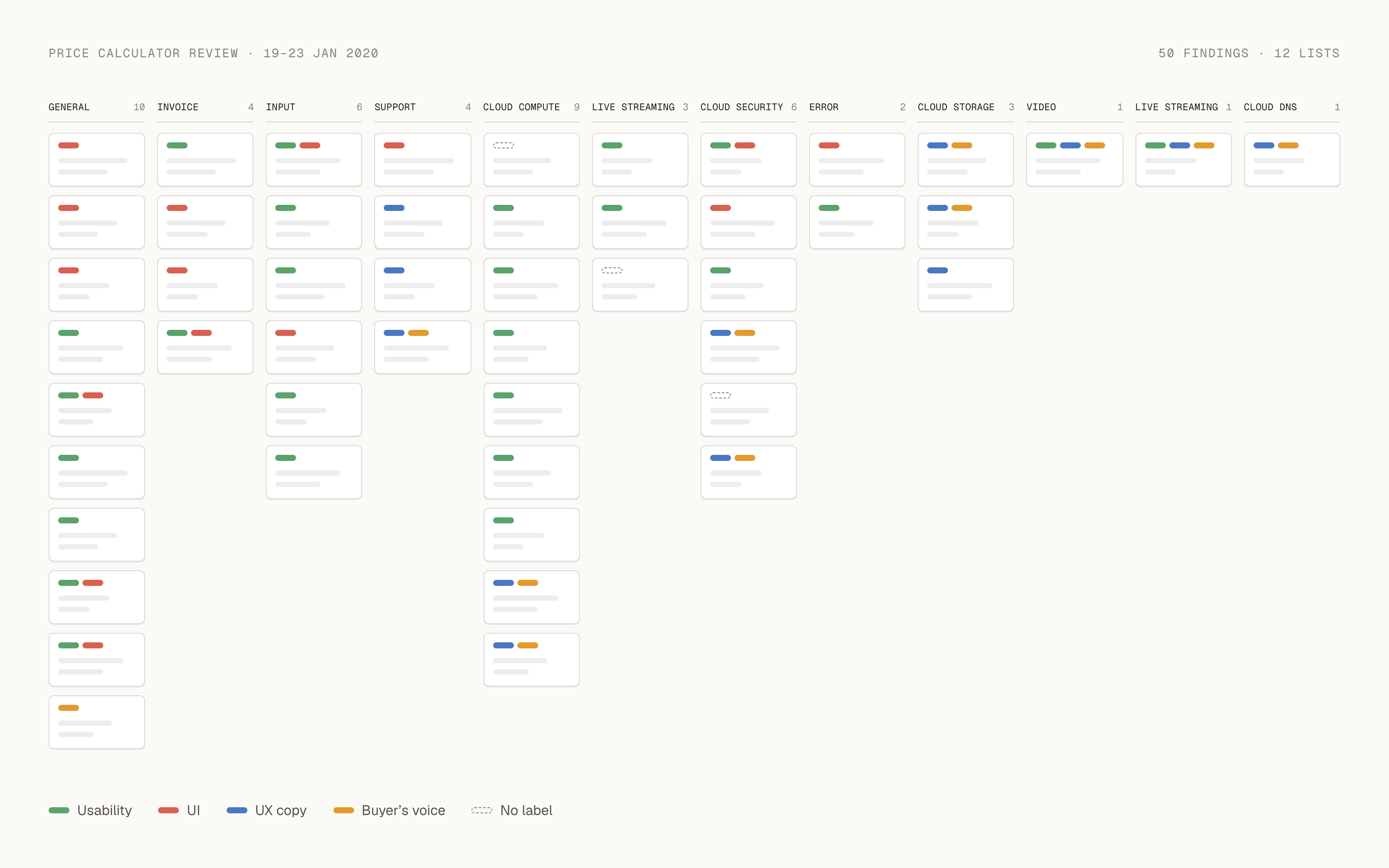
Reviewed Arvan Cloud’s website price calculator alone over five days in January 2020, logging 50 problems on one board, then compared its speed and size with 12 other cloud calculators and checked its SEO.
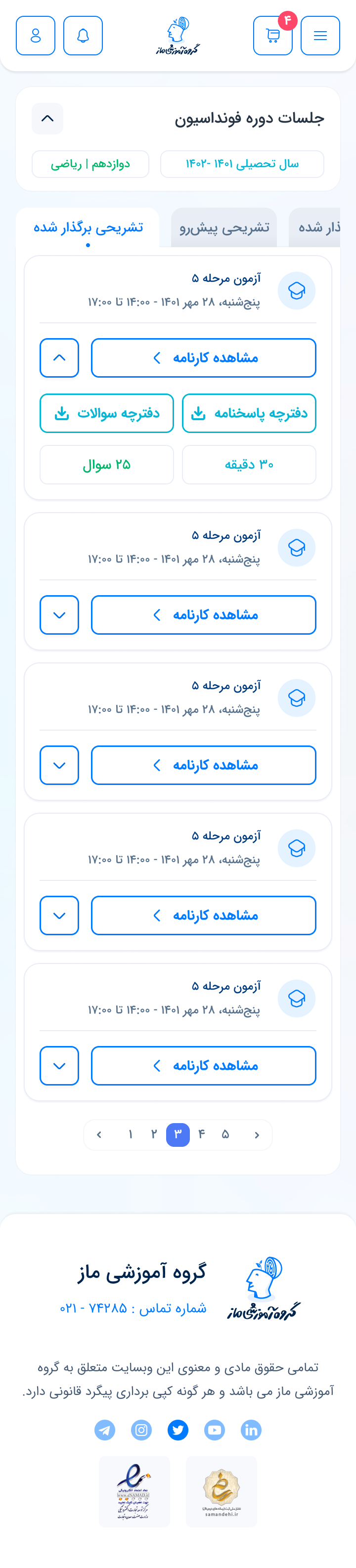
Maz's public site and RTL learning panel — classes, exams, live class, wallet and package commerce — designed across a 32-page Figma file with the design system built in parallel.
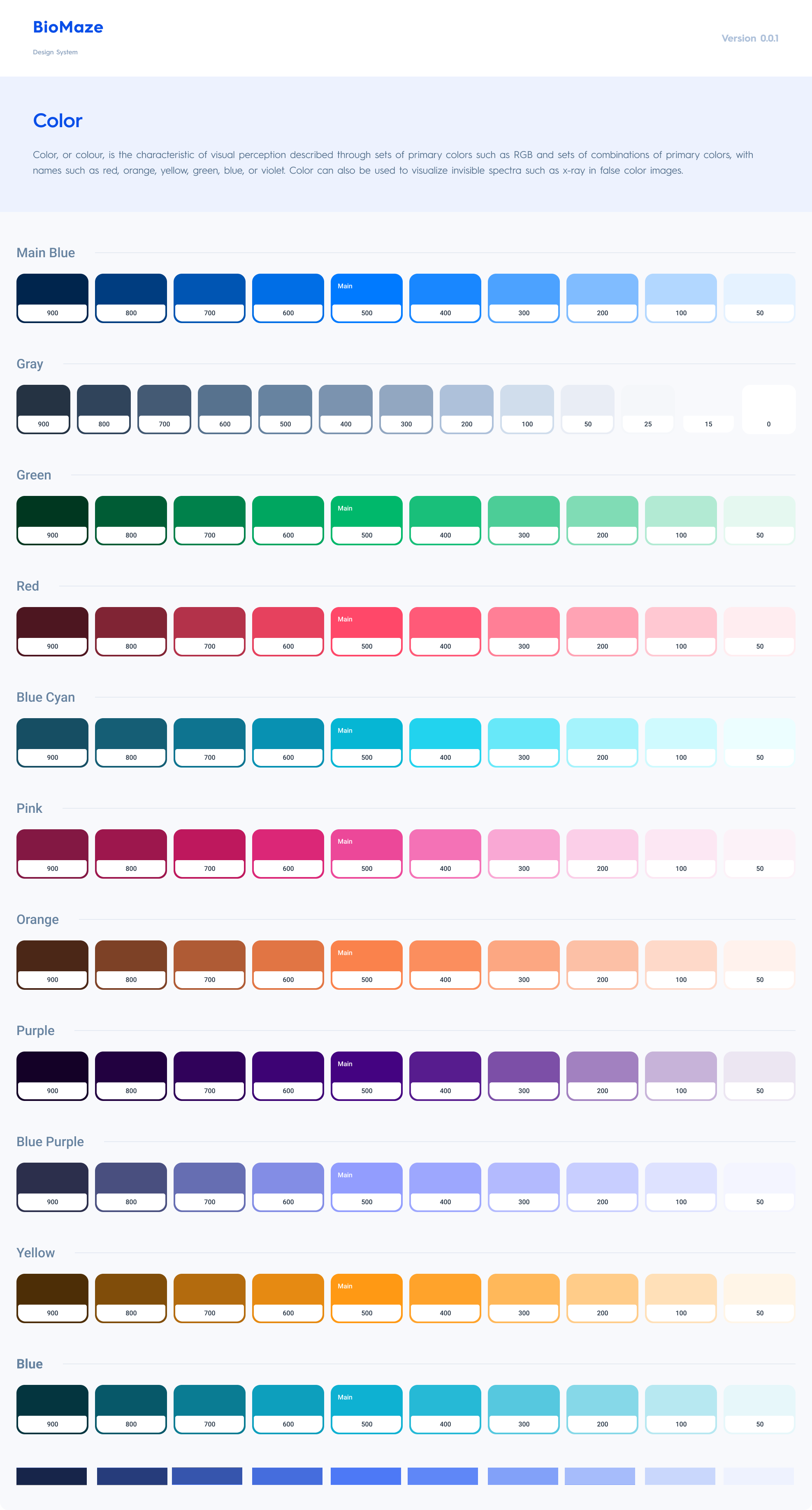
Colour, type, buttons, forms and chrome boards in the BioMaze Design file — the shared kit built alongside the website and education panel so developers could ship faster.
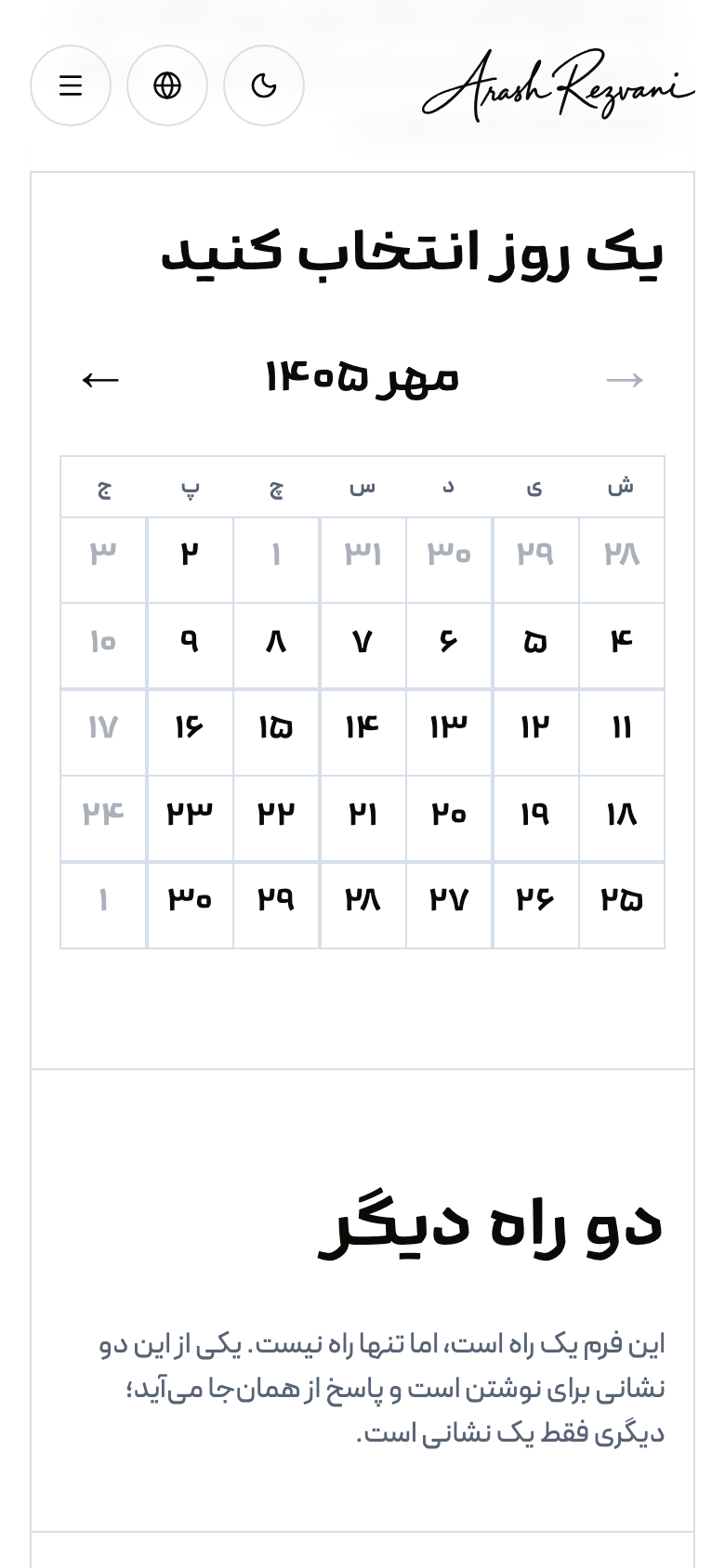
A Persian-first site for a writer and teacher: pages and books from his own account, a journal, songs, search and Shamsi booking, hosted inside Iran.
A seven-locale corporate site for a physical petroleum trading principal, designed around the question a counterparty is silently asking: is this entity real and checkable?
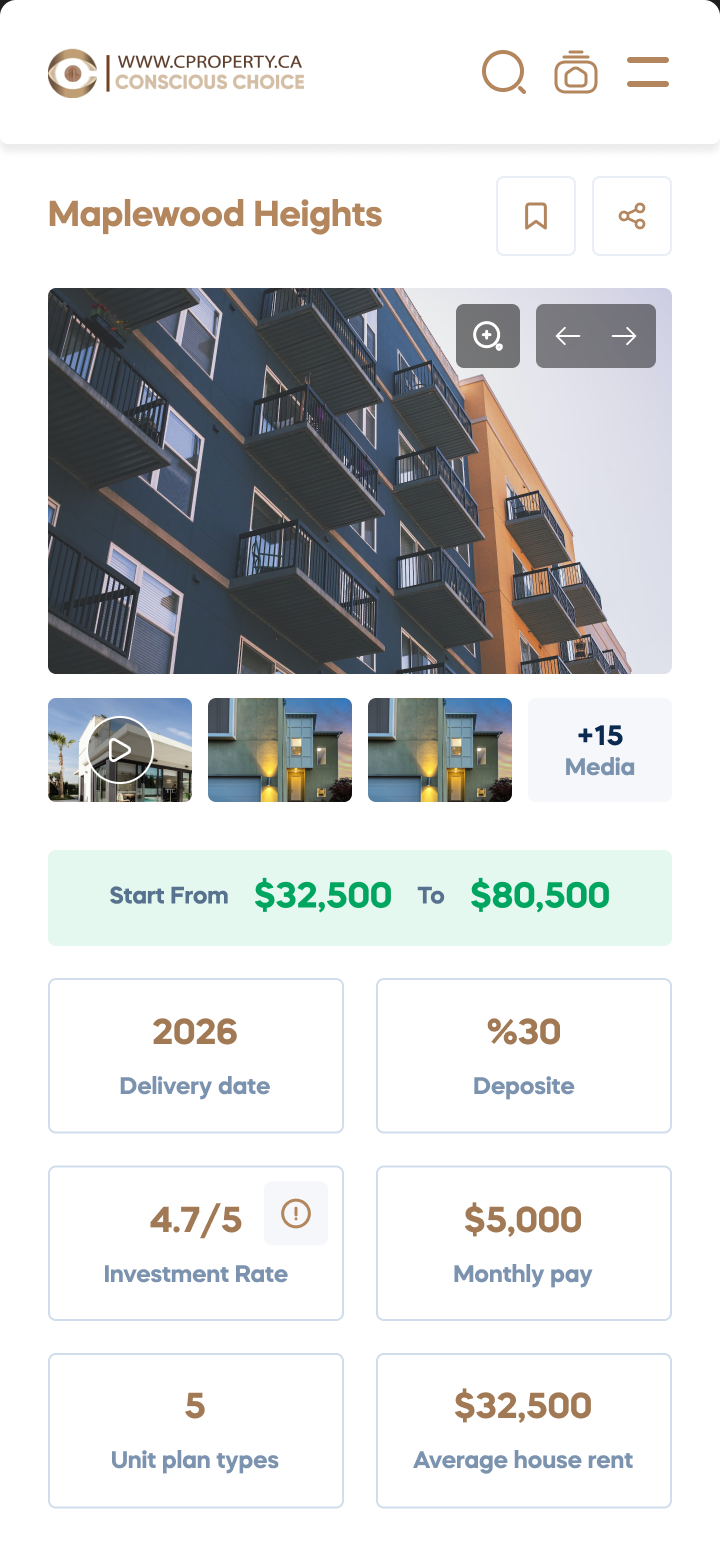
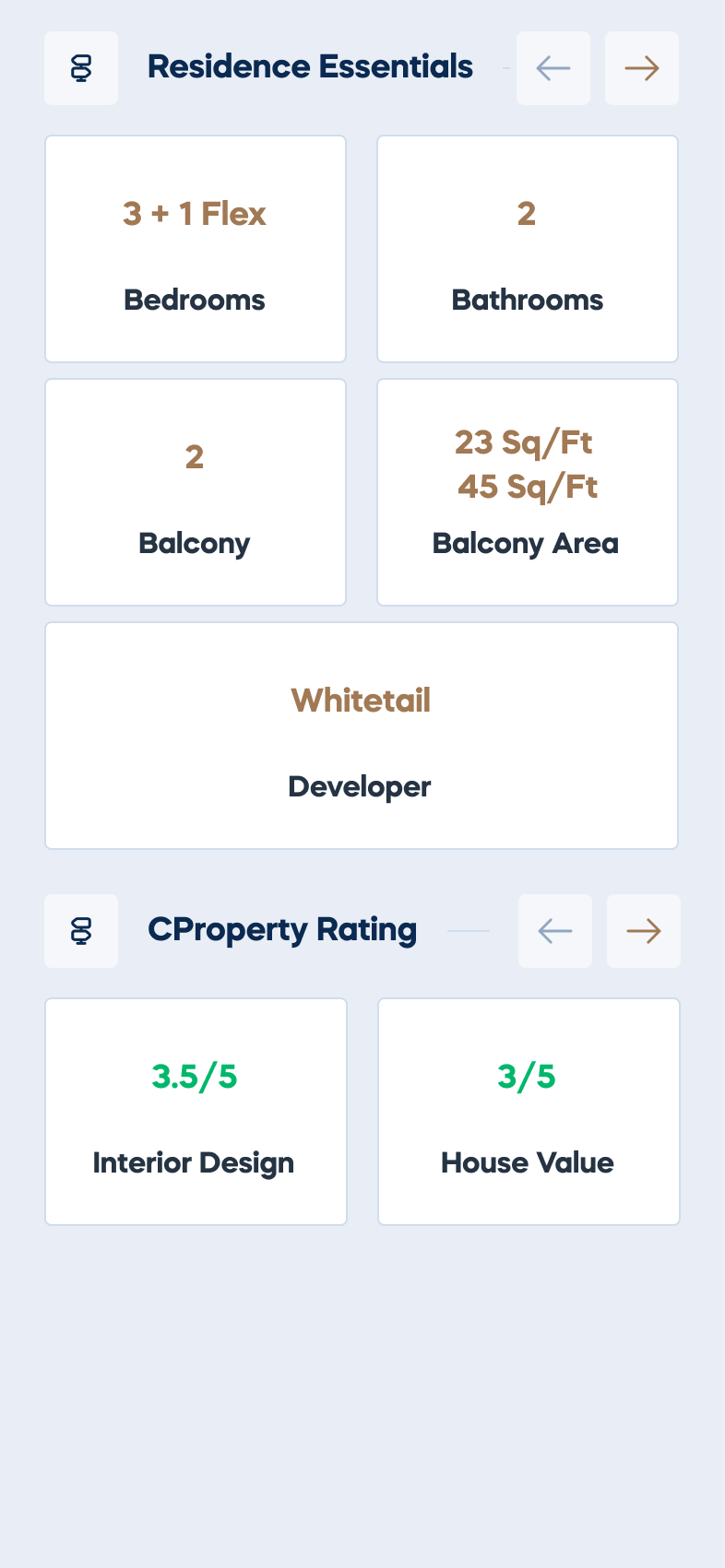
A buyer-facing marketplace for presale condos and townhouses in Vancouver’s Lower Mainland: 76 responsive screens that set the deposit schedule, assignment fees and unit-by-unit costs side by side, replacing an earlier version that sold data to realtors.
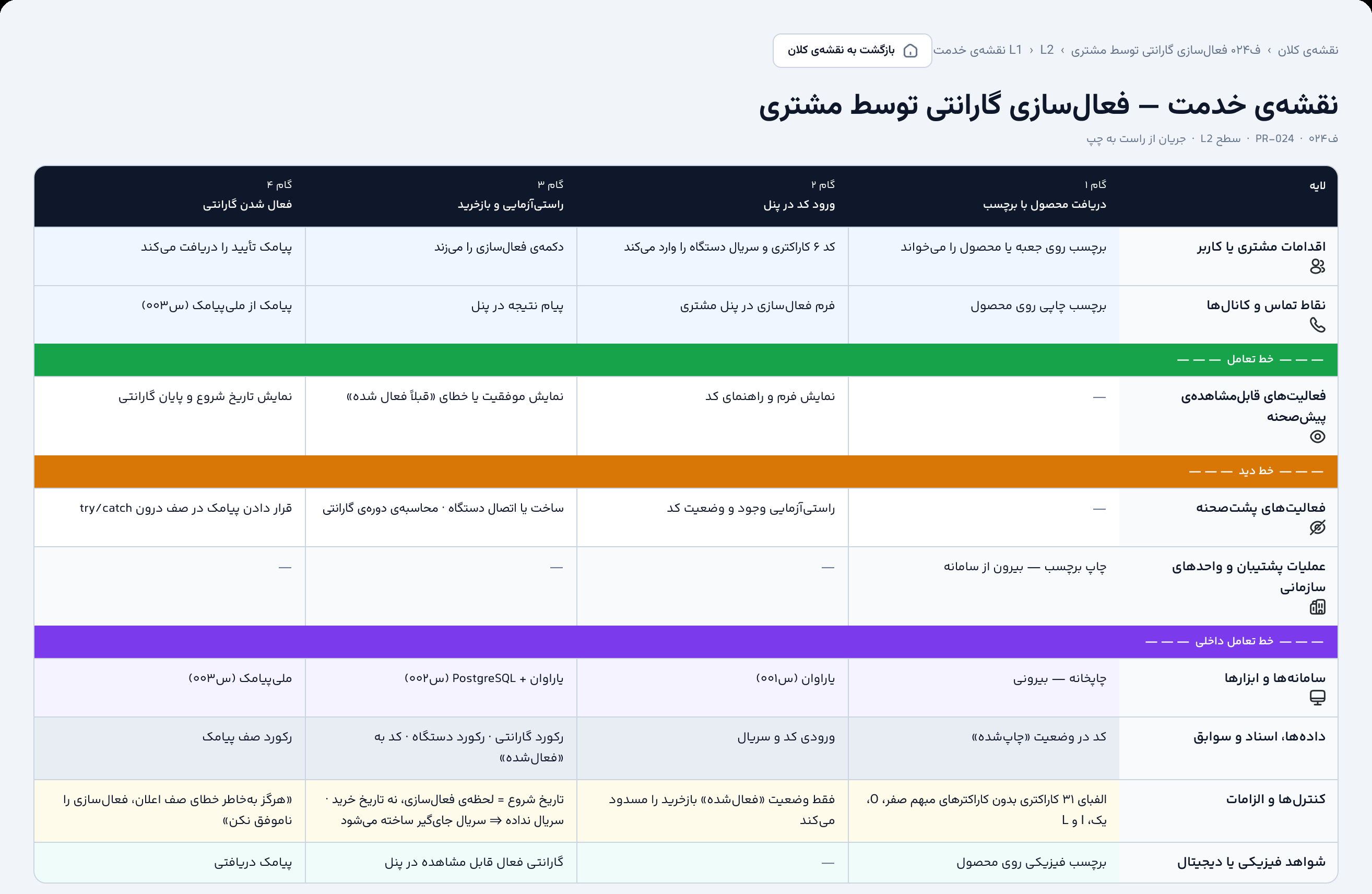
The service design behind a warranty brand: 22 after-sales processes drawn at six levels, from a macro map down to work instructions, only as far as the evidence allowed — with every gap marked, counted and owned instead of filled.
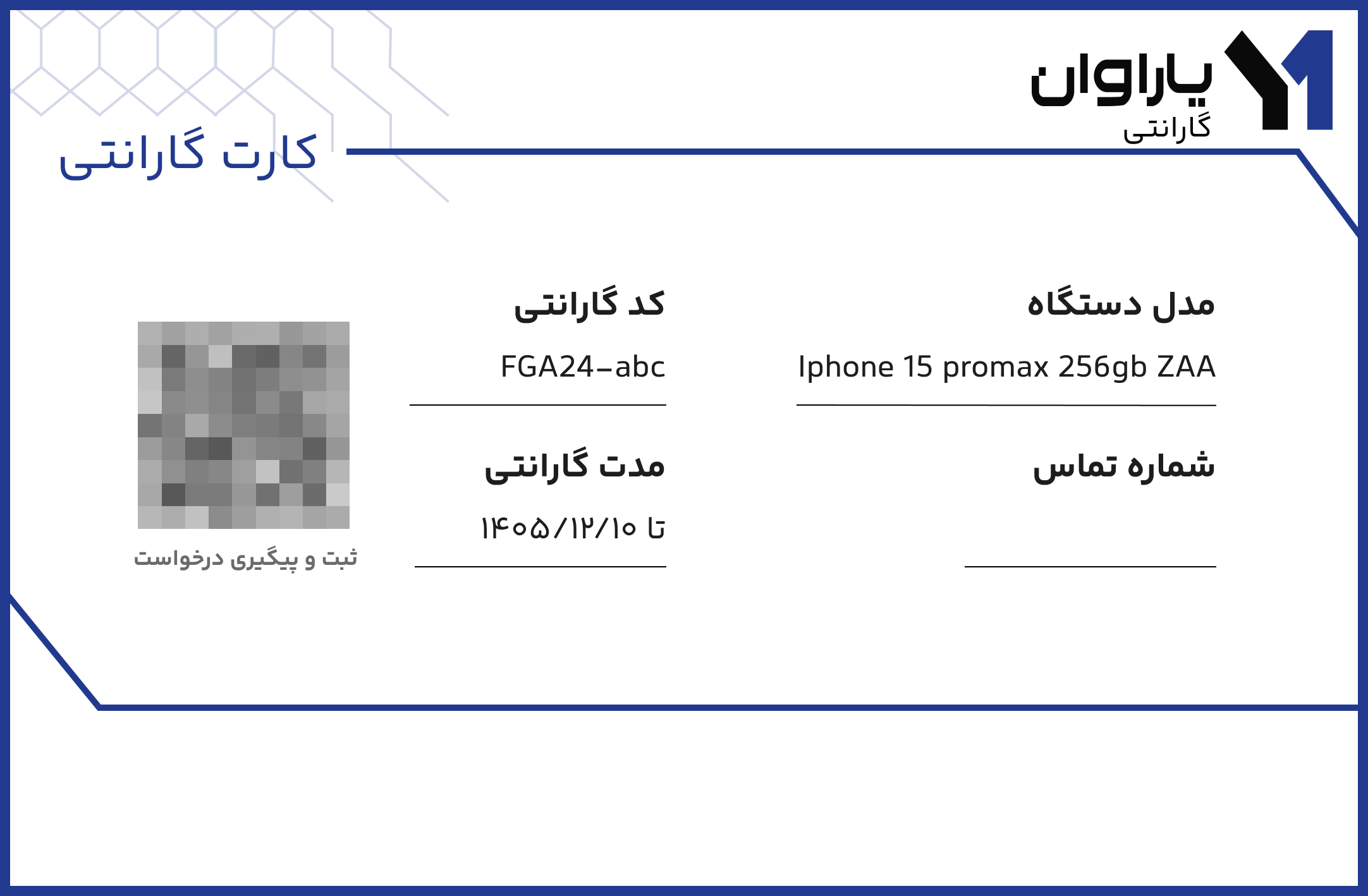
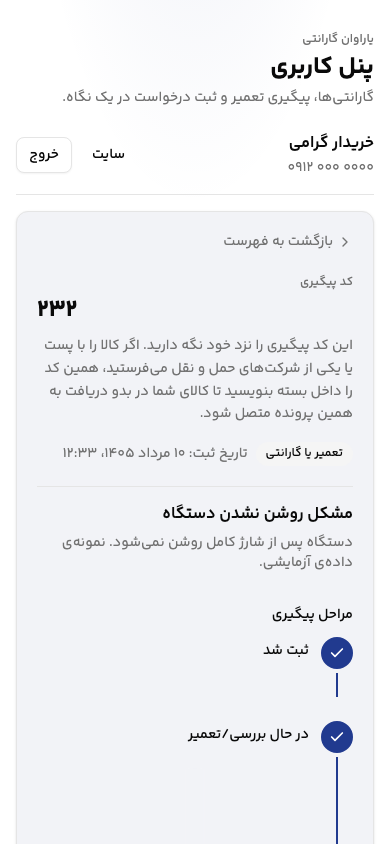
A Persian warranty platform — public site, customer panel and staff panel — built on an operation still being defined, where every fact nobody had approved ships as a visible, owned open item instead of a confident sentence.
A forensic audit of an Iranian freight marketplace's design file, turned into a 42-process architecture and an input-readiness gate.
A summer retail campaign that turned every store into an airport and every purchase into a ticket — tier economics, a nine-stamp collection and a governed bilingual copy canon, built to grow basket size without ever discounting. Never launched.
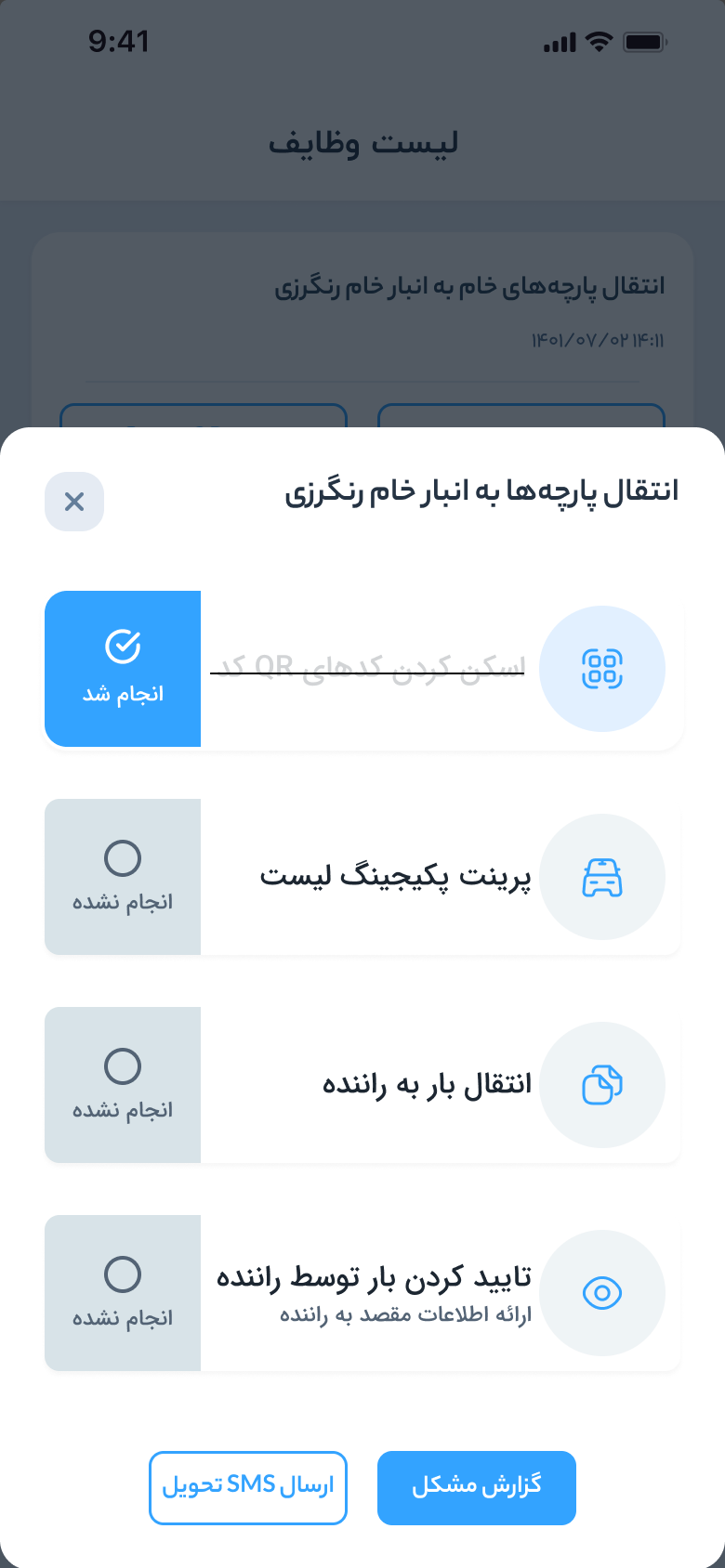
Brand, website, back office and a five-role task app for an Iranian spacer-fabric mill: 128 screens in which every roll gets a QR label and is checked at each hand-off, from the dye house to the driver to the customer.