Loading
Ten years of moving from interface design toward broader ownership — vision, growth, the systems and dashboards underneath — because that’s usually where the actual problem lives.
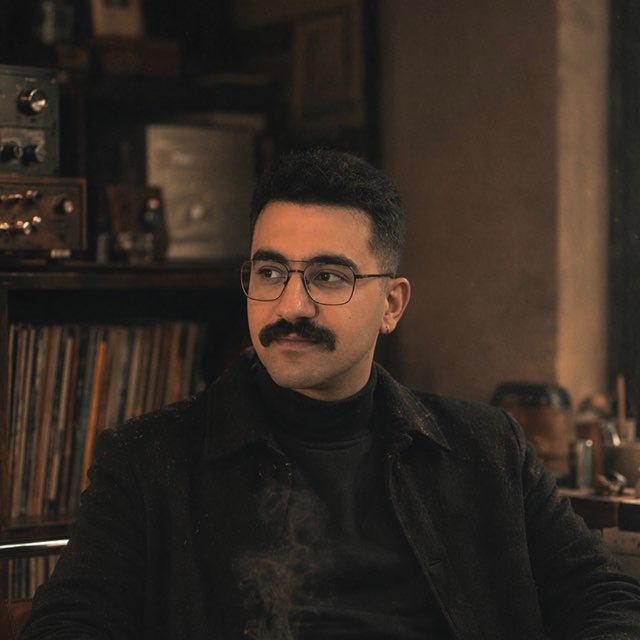
A hybrid, by accident and then by choice.
I design and manage digital products, and then make sure they grow. Over ten years the work has spanned fintech (Digikala's Digital Gold), cloud infrastructure (Arvan Cloud), automotive marketplaces (Carsparency and Khodro45), education (OTeacher, Biomaze), media (Didestan) and telecom (A1Paradise).
The pattern across those roles is unusual: the same person does the research, designs the product, runs the go-to-market, and helps build the dashboards that say whether it worked. At Digikala that meant defining the vision and features for Digital Gold, designing the zero-fee, installment and gift-card campaigns, building segmentation models on assets, demographics and behaviour, designing the slides of the weekly business review, and helping build a business-metrics dashboard — while introducing concepts such as buy-now-pay-later and gold-backed credit.
Earlier, at Arvan Cloud, a redesign of the platform's information architecture around the metrics users actually needed produced measurable NPS growth. At Carsparency, a complete buy-and-sell platform for the UAE market was designed and tested until selling conversion rose.
I trained in industrial design at Azad University and keep studying interaction design through the Interaction Design Foundation. Off-screen: motorcycles, mountains, and an enduring interest in psychoanalysis — which turns out to be useful for user research.
How I got here
Five stages that changed what I was responsible for, not just what I built.
- 01A1Paradise
- Role
- UI/UX designer
- Period
- 1.2 yrs · Full-time
The first real brief: turn a rough idea for microgames and a calling app into interfaces people could actually use. The craft came first — screens, flows, the discipline of shipping something that worked, not just something that looked right.
- 02Arvan Cloud
- Role
- Product designer
- Period
- 2 yrs · Full-time
A shift from screens to systems. Redesigning a cloud platform meant learning what the metrics on the screen actually meant to the engineers reading them — the interface stopped being the product, and the information architecture became the real design problem.
- 03Carsparency
- Role
- Product designer
- Period
- 1 yr · Full-time
Full platform ownership for the first time — not one screen or one flow, but a whole buy-and-sell marketplace. Usability testing stopped being a step at the end and became the way decisions got made throughout.
- 04DigikalaDigital Gold
- Role
- Designer / Marketer / BI developer
- Period
- 2.5 yrs · Full-time
Selected work → Digital GoldThe point where design, product and growth stopped being separate jobs. I owned the vision, the interface, the zero-fee and installment campaigns, the segmentation models and the slides of the weekly review, and helped build a business-metrics dashboard.
- 05IndependentRP1
- Role
- Product Designer & Strategist
- Period
- Ongoing · Freelance
Now: independent, and using that range on my own terms — scoping a much larger vision down to what a small team can actually ship, keeping decisions documented as they’re made, and treating AI as a working layer for exploring more directions before committing to one.
Mapping the system, not the screen
A rough map of how a problem moves from constraint to decision to outcome.
What actually guides the decisions
Specific enough to be useful to whoever works with me next.
- 01
Map the system before optimizing the surface.
A redesigned screen is only as good as the information architecture underneath it — the interface is usually not the actual problem.
Seen in → Arvan Cloud
- 02
Decisions are documented with rationale, not just outcomes.
A dated log of why a decision was made — not just what was decided — keeps a team working from the same current truth instead of arguing from stale assumptions.
Seen in → RP1 / Independent
- 03
Ownership means the dashboard, not just the design.
Owning a product end to end means being responsible for the number that proves it worked, not handing that off once the interface ships.
Seen in → Digital Gold
- 04
Scope down to what a small team can actually ship.
How decisions actually move
A process, not a claim to be collaborative.
What else shapes the work
Motorcycle & mountains
Adventure and nature, mostly on two wheels.
Travel
Exposure to different systems, markets and ways people solve the same problems.
Psychoanalysis
An enduring interest that turns out to be useful for user research — people rarely say the real reason first.
What I'm exploring
Thinking about how AI changes the way products get scoped, designed and measured — and building small experiments to test it, not just reading about it.
If this way of working sounds useful, let's talk.
For product, design and growth work, or comparing notes on systems and AI.